

CMM meets Team Total Care Manager
CMM: What is your idea?
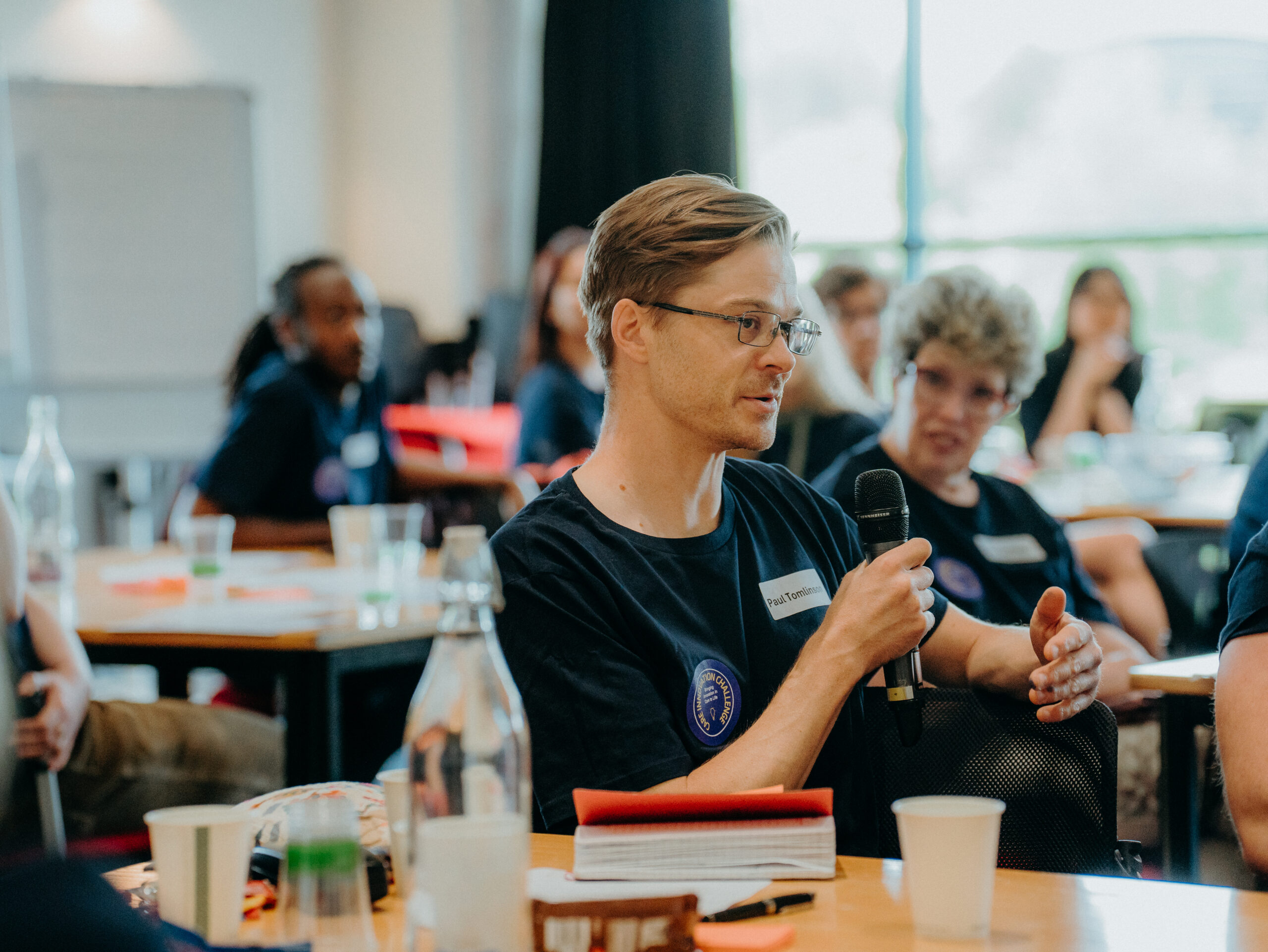
Paul: As anyone who’s worked in care knows, the greater the care needs, the greater the risk. The solution we’ve come up with is the UK’s first dedicated electronic health record for the care sector. All care management solutions have a basic electronic health record, but it’s included with a lot of the other tech that you need to run a care business. Total Care Manager only offers the electronic health record. It brings the clinical detail of hospital-based systems to the adult social care sector.
It’s been co-created with care professionals to make it easy and intuitive to use. Care managers can easily configure the software for any service user from dementia to complex care with no IT support. Crucially, you don’t have to break contracts with your existing care management platform to start working with Total Care Manager. You can work as a stand-alone solution for a small care team, but it can easily integrate with your existing care tech, enhancing the complex care capabilities of any care provider.
CMM: Why did you decide to get involved in the Care Innovation Challenge?
Paul: I’ve been working on Total Care Manager for two years alongside the team. We really are live and testing but we need help. There’s so much potential here but we physically can’t develop it. That money is needed for sales, marketing and software development to put the finishing touches on tech and produce a fully capable platform that could support any level of complexity at any care business. With that head start, we can scale into a self-sustaining technology company within three years and enable care businesses UK wide to deliver a safer and higher quality of care.
CMM: Have you received any helpful guidance from the mentors?
Paul: Liam Palmer, who I’ve been speaking to quite a lot over the last year actually, has given us some really good help this weekend and he’s guided us with differentiating a pitch message for an audience. It’s been great to chat with various other mentors too.
CMM: How did you find the weekend overall?
Paul: It was brilliant. I wasn’t expecting there to be so many care providers in the room. It became evident to me over the weekend that there’s quite a lot of innovation coming from the inside. It was probably the most useful time I’ve spent in terms of networking so far. I just had all these cogs whirring in my mind speaking to everybody in the room and having the chance to get up on stage and pitch was fun.
There was a real collaborative environment where everybody wanted to spend a good amount of time with each other and work through complex ideas. The brainstorming meant that better quality thinking happened because people were able to give feedback and suggest alternative angles. So, it was hugely productive. In a world where we don’t win the Care Show in Birmingham, which I sincerely hope we do, I would come back next year.
CMM: What do you hope to showcase at the final?
Paul: Still, nobody is talking about complex care. If you look at what’s happening in the industry where more people need complex care and where care businesses are moving towards greater acuity, I think it’s really important that we start talking about it specifically because those people just need a lot more help. We need to start making sure that appears on the agenda at every care show.
CMM meets Team Carpe
CMM: Can you tell us about your idea?
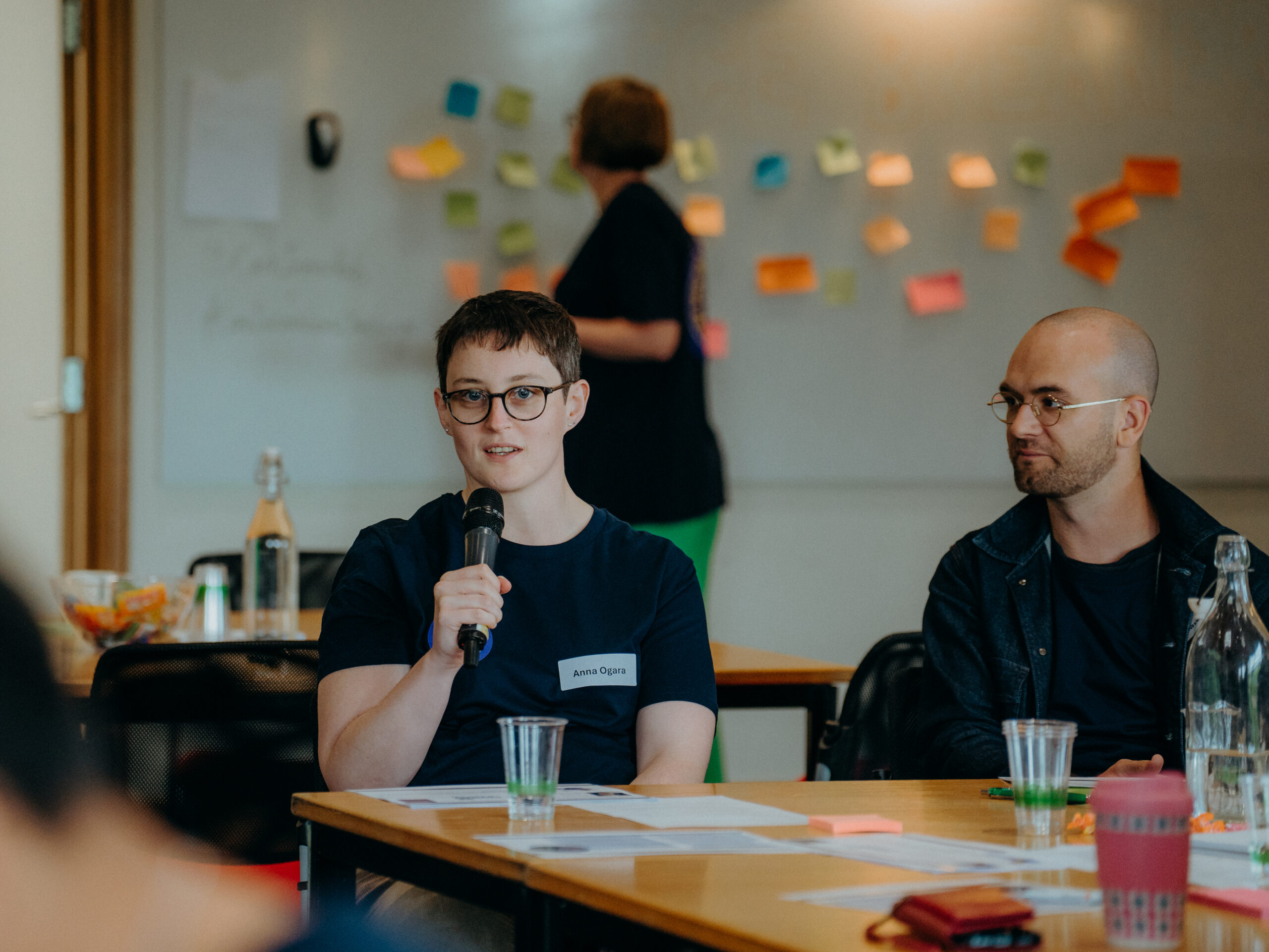
Anna: The aim is to produce a hardware device for the recording and reporting of epileptic seizures worn by a care worker or someone supporting a person with epilepsy. It would record the timing and duration of the seizure, which links to an app where the carer can upload information about the event so they can focus more closely on the person during the seizure. At a later time, the carer can write up a report detailing elements such as what kind of seizure it was, if any medication was taken and any injuries they sustained. The aim is to make epileptic seizures easier to log in a way that integrates with previous records which can help in neurology appointments, for example.
CMM: Have you seen a gap in the market for this kind of product?
Anna: I know that there are some resources available to support people with epilepsy, but they don’t provide a full picture while some apps are hard to use, and they don’t necessarily record seizures very well. Carpe is more for the workers and will focus on the integration of the person’s records and the description of the seizures.
CMM: What did you learn during the weekend?
Anna: It was great to chat with the mentors who came from a variety of backgrounds. Some specialised in technology, some in product and market research. They gave me a lot of insight and experience. Rachel Mason was great to chat with – her son has epilepsy, so she is well aware of the panic that you have at that moment. We talked through some of the issues she’s had with videoing seizures because that’s really difficult but valuable to neurologists to know and see what’s happening and to understand how it’s presenting.
CMM: What are you hoping to show the judges at the Care Show?
Anna: I’m hoping to focus on usability and show how Carpe can be used practically for a provider. In the meantime, I’ll be speaking to some care providers to gain their opinions and conduct more market research to build my evidence base. That way, when I do present Carpe at the Care Show, I can show I’ve spoken to other providers and heard their suggestions, and my idea has evolved to accommodate what they think will be realistic.
CMM meets Team Ellyfe

CMM: Can you tell us about your product and its features?
Keerthi: As we age, we lose the sensation of thirst. So, if we stop the preliminary cause we’ll stop dehydration-related issues. We are developing a wearable device which monitors hydration movements for older people who are aged above 60. The band will collect data which is processed in our software and will show the percentage of water in their body. We can also see what medical complications they have and set up a baseline of how much water they have to drink.
CMM: Have you done any market research?
Keerthi: We have some competitors right now, but they are developing patches, and most are working for athletes right now. So, they are our competitors in an indirect way, not in a target market. Our target market is purely older age people.
There is a big gap in the market because older people are underserved. Nobody is touching this market. There is a limitation because they have different specifications and perspectives and it’s a market that’s expected to grow in the future.
CMM: Have you had any feedback from the mentors?
Keerthi: Yes, this is our second year coming here. Every time we come here we learn something. We gained a new perspective on releasing the product according to the markets. We know how we can reach out to care homes and hospitals now. The idea was born here at the Challenge and we’re improving it each time.
CMM: What plans do you have for your product ahead of the final?
Keerthi: We want to develop our product more accurately to gain medical approvals. So, we’ll be looking at various stages including the NHS and virtual worlds. We’ll be working towards developing a fully functional medical-grade device where we are looking at collaboration with doctors’ suggestions who will hopefully prescribe our device to be worn daily in the future.
CMM: How did you find the weekend overall?
Keerthi: There’s so much information at the Challenge with a lot of knowledgeable and experienced people. We came prepared with a clear, relaxed and well-focused mind. We made the most of it because I was prepared for the wealth of knowledge, and I knew people were there to help us. This is one of the best events I’ve ever been to because there are many experienced people and it’s very specific to our startup.
CMM: What are you hoping to show the judges at the final?
Keerthi: We are getting in touch with mentors soon, so it’ll be helpful to speak with them. It’ll be good to clarify their expectations. We want to showcase
studies, pilot testing and our fundraising. It’ll be good to speak with the mentors
and take their suggestions and expectations.
For the five finalists it all comes down to the next few weeks and the continued mentorship they will receive as they prepare for The Care Show at the Birmingham NEC on 9th and 10th October. Follow @CareInnovHub and use #CareInnovationChallenge for updates.